About two years ago, two features — although divisive — disrupted the smartphone ecosystem; took it by storm. I’m talking about the disappearance of the traditional 3.5mm headphone jack and display bezels. The death of these two features subsequently birthed and popularized wireless earbuds and display notches.
The notch was particularly exciting. Some people hated it, others loved it while some just didn’t (and still don’t) care. Love it or hate it though, the idea of the notch is a great shot at being innovative. And even though the popularity was short-lived, it helped pave way for the recent trends in the smartphone world: magnetic physical sliders, full-view displays, under-display fingerprint sensor, dual–screen smartphones etc.
The point is: in less than a year of its introduction, the notch is quickly being knocked off the center stage by better innovations mentioned above. We briefly talked about the future of notches in our 2018 round-up of the smartphone ecosystem , though. Now, we’d revisit some of the old and new features that’s putting the relevance of display notches on the line in 2019.
Punch Hole Displays
The notch trend was properly kickstarted by Essential with the Essential PH-1 while Apple helped popularize/trend the feature with the iPhone X. Despite the fact that the entirety of OEMs normalized notches on almost all categories (low-end, mid-range, & flagship) of their devices, Samsung didn’t accede.
While the world waited for a notched Samsung phone, the South Korean OEM announced it would be adopting its Infinity display solution which would see future device have holes in their display in lieu of notches. Not too long after, the Samsung Galaxy A8s as the world’s first smartphone with an Infinity-O display — a cutout on the top-left corner of the screen housing the selfie camera. Huawei also followed suit with the release of the Nova 4 and Honor View 20 with similar punch hole design as the Galaxy A8s.
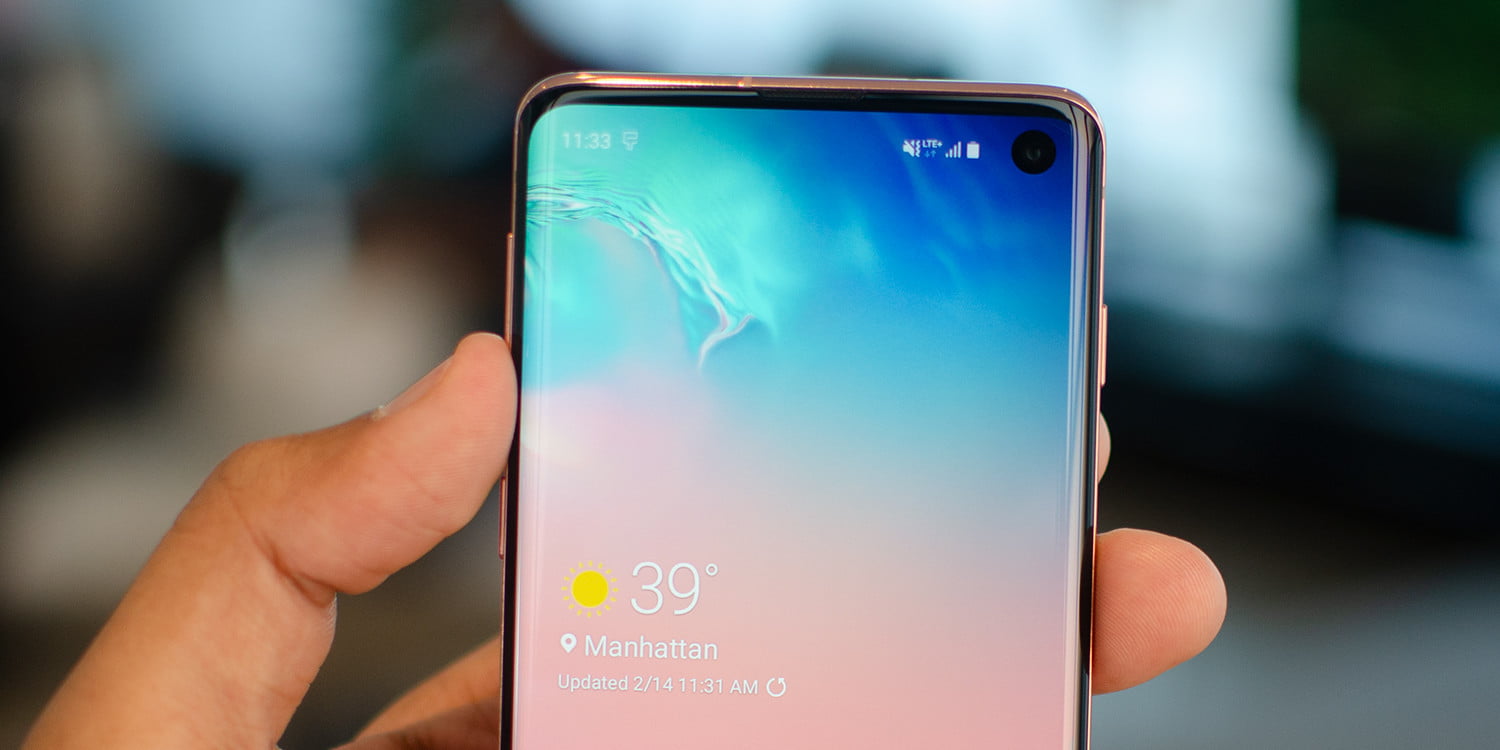
Now in 2019, Samsung is further stretching the Infinity punch hole design with the recent release of its Galaxy S10 flagships ; aiming more shotguns at display notches. And to be quite honest, punch holes are way more exciting (aesthetically) than display notches. 2019 is still young; it’s only a matter of time before more OEMs adopt the punch-hole design and make it a trend. The long term effect, however, is that phones will become expensive. As a result, don’t expect to see the innovation on a lot of mid-range devices because the punch hole design will most likely be adopted by brands on their flagships.
The punch hole design is the future. Aside from the fact that it is less obtrusive, it seems to be the only selfie-camera solution that can make 100% screen-to-body (STB) ratio an achievable feat on a smartphone.
Dual Screen
What’s better than one? Definitely TWO! The modern-day smartphone ecosystem is such a cheerful one. Always quick to hand out one more component in addition to an existing one. Dual speakers, dual rear-cameras, dual selfie cameras, and now dual displays.
Deep into 2018, in a bid to do away with the notch and ultimately eliminate the selfie camera, ZTE embedded a secondary 5.1-inch display panel on the rear of its device — the Nubia X.
ZTE Nubia X Dual Screen Smartphone
Truly, the dual screen concept is a great anti-notch design which allowed the ZTE Nubia X accommodate more display and achieve a 93.6% screen-to-body ratio. However, as pointed out in this article by Pocket-lint , the dual screen concept isn’t entirely an effective anti-notch solution.
Dual Display is the embodiment of an idea we don’t really need: two screens aren’t truly necessary, despite lots of potential and enough power to run both sides in tandem
The Vivo Nex Dual Display is the latest smartphone to come with dual screen: a primary 6.39-inch AMOLED display and secondary rear-facing 5.49-inch AMOLED display.
Bottom line : The Dual screen innovation alone isn’t enough to kill display notches. Having two screens on a smartphone raises the price of the device to a whole new level of expensive. Consequently, unlike display notches, the dual screen concept would be almost impossible to adopt on mid-range devices.
Pop-up/Sliding Cameras
Pop-up and sliding cameras are other anti-notch innovations that debuted last year. In place of fitting selfie cameras inside notches, OEMs like Oppo , Vivo, LG, and Xiaomi hid the selfie cameras on their devices and used mechanical sliders and pop-up cameras instead.
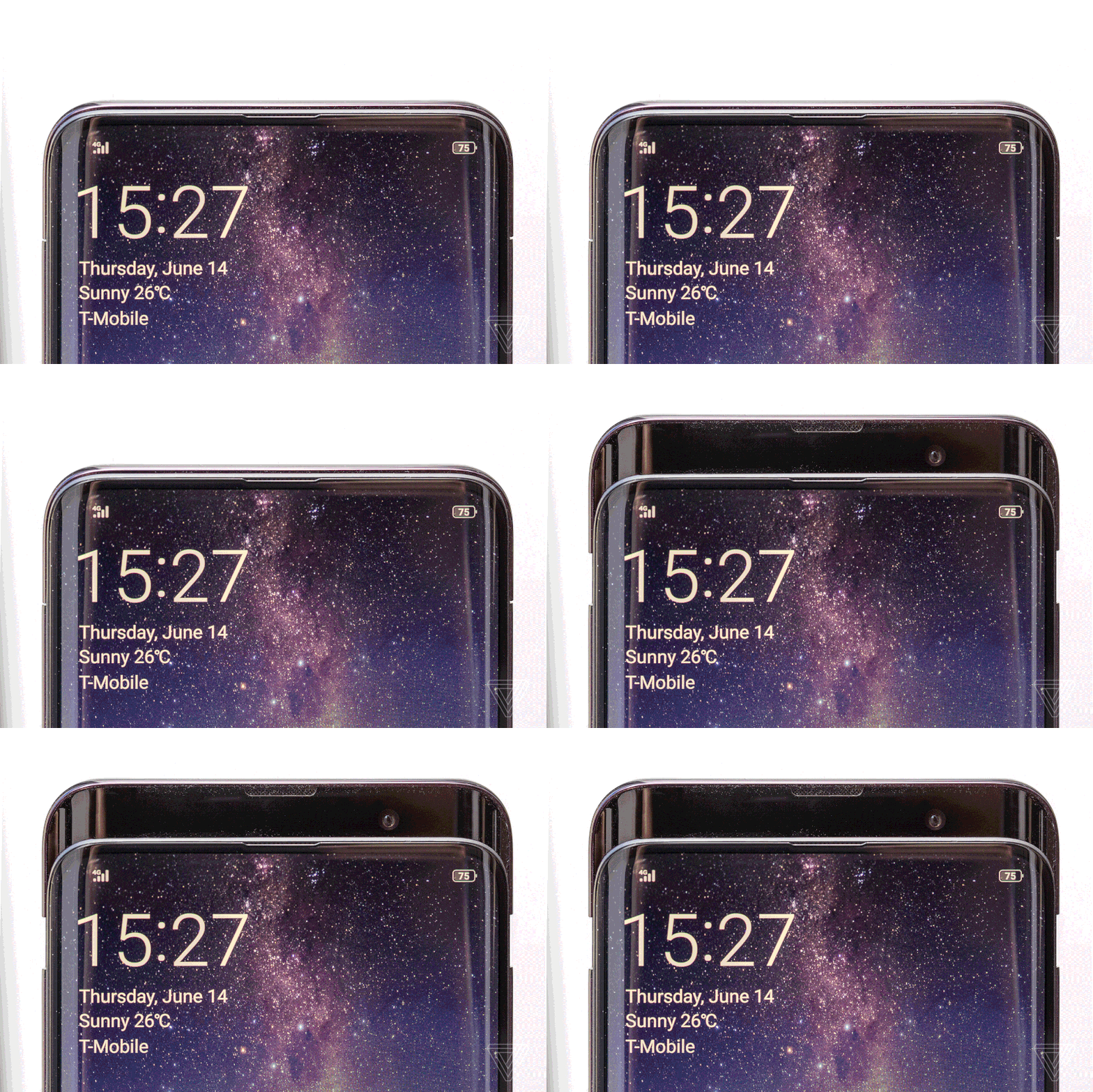
Interestingly, the concept helped increase screen-to-body ratio to as high as 94% but just like the dual screen concept, it creates more problems than it solves. First off, there’s the issue of power consumption; the popping-up and retraction of sliders come with its associated power cost. Secondly, phones with sliders were not resistant to water, dust, debris, etc.
The phone’s camera slider is also a cool retort to anyone clinging to the outdated accusation that Android device makers only ever copy the iPhone. But it’s not going to change the world or even the way phones are designed. It’s just a bad idea that’s executed well. Advertisement - Continue reading below
The smartphone world is going full force on the “Anti-notch” movement and 2019 might just be the year notches become a thing of the past because, truly, display notches are dying . However, carefully examining the above anti-notch technologies that have sprung up over the last couple of months, there’s a good chance that notches still have a year or two (2) to trend. In fact, they may be here longer than that because the anti-notch alternatives aren’t totally better; there always seem to be a drawback.
That said, the punch hole design would disrupt the existences of notches. Should Chinese-based OEMs find a way to execute the idea on their devices and make them available at mid-range prices, Punch hole design is the future. For now, though, notches are still valid but its popularity is on the line.
2019 is the year of the anti-notch.
Sodiq Olamide is a tech writer based in Nigeria, covering the latest reviews, how-tos, and news on consumer tech trends with a unique African perspective. Whether analyzing emerging technologies or offering practical guides, Sodiq brings a deep understanding of how technology shapes lives across the continent.
Type your email…
Talkio Mobile , Uganda’s newest telecommunications service provider, is excited to announce a groundbreaking partnership with Banana Life Investments, a leading chain of mobile phone and retail shops. This strategic alliance aims to bring Talkio’s innovative telecom services closer to Ugandans.
This collaboration will leverage Banana Life Investments’ extensive retail network of 26 stores strategically located across Uganda in major malls, towns, and cities to provide customers with unparalleled convenience. Through this partnership, Talkio Mobile will offer its full suite of services, including SIM cards, airtime, and exclusive product offerings at any Banana Life Investment location.
This partnership is more than a business initiative—it’s a shared commitment to transforming lives. By integrating Talkio Mobile’s forward-thinking services & nationwide reach with Banana Life Investments’ retail footprint, the two brands are setting a new standard for customer convenience and inclusivity.
READ ALSO: 5 Things You Need to Know About Talkio Mobile: New Telecom Company in Uganda
“This partnership aligns perfectly with our mission of connecting Ugandans to innovative and transformative telecom solutions,” said Vianne Allan Ahura, CEO of Talkio Mobile. “By leveraging Banana Life Investments’ trusted presence and nationwide footprint, we are not only expanding our agent network but also bringing our services closer to the communities we serve. This collaboration ensures that our online customers can now enjoy a seamless offline experience right at their doorstep. Together, we are empowering Ugandans with the tools they need to stay connected, grow their businesses, and unlock new opportunities.”
Solomon Ssemuyaba, the assistant general manager at Banana Life Investments, echoed this sentiment: “We are proud to join hands with Talkio Mobile to deliver innovative, customer-centric solutions. This partnership represents our shared vision of fostering a connected future for Uganda. Together, we are redefining what convenience and accessibility mean for our customers.”
The partnership goes beyond retail distribution, introducing joint initiatives aimed at value addition and personalized service. Customers can expect seamless access to:
- SIM Card Sales : Available at all Banana Life Investments locations.
- Talkio phone number bookings : Book your preferred Talkio number at any Banana Life Investments location.
- Airtime Services : Recharge easily through in-store purchases.
- Customer Support : Friendly and knowledgeable staff trained to assist with Talkio Mobile products and services.
Additionally, the two companies plan to launch promotional campaigns and expand services to even more locations, ensuring no Ugandan is left behind in the digital transformation.
Solomon Obwot is a tech writer based in Kampala, Uganda, with extensive experience in the local tech startup ecosystem. He covers the latest news and analysis on consumer tech, writes in-depth smartphone reviews, and conducts insightful interviews with industry experts. Solomon is also a passionate podcaster, sharing his knowledge and engaging in discussions about Africa’s rapidly growing tech landscape. Send emails to [email protected]
Type your email…
The smartphone world has greeted us with many innovations. Some of these innovations later turn out to become trends. We’ve seen trends such as the dual rear cameras, dual selfie cameras, bezel-less designs, in-display fingerprint sensor and notch displays. An innovation in the form of dual screens and dual fingerprint sensors is what the ZTE Nubia X presents.
If this is an innovation that’ll become a trend, only time will tell. But it isn’t the first time a smartphone will come with two screens or two fingerprint sensors. For you to know, the Samsung W2019 flip phone recently surfaced with two displays. However, it is the first time a smartphone is coming with both features at the same time.
The dual screens
At the front of the smartphone, you have the 6.26 inches LTPS IPS screen with Full HD+ resolution of 1080 x 2280 pixels. It tags along with a 19:9 aspect ratio to deliver an intense viewing gusto.
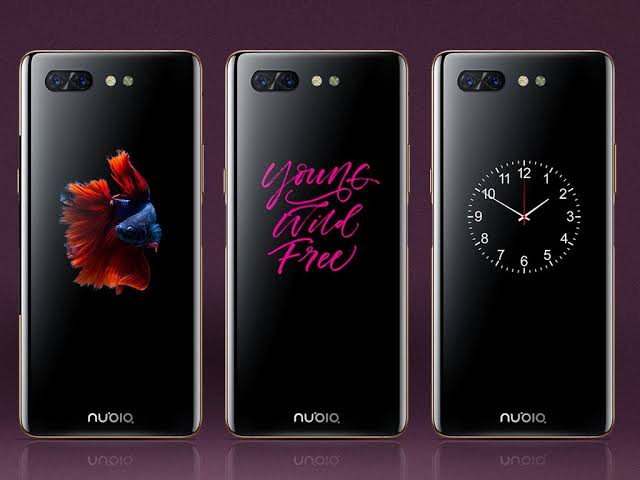
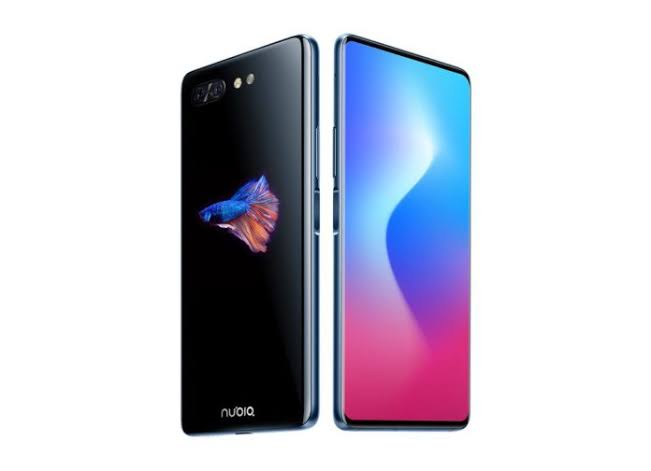
Around the back, the OEM placed an OLED screen on the back panel to serve as the second display. This 5.21-inch panel makes good use of a resolution of 720 x 1520 pixels & 19:9 aspect ratio just like the front display.
Well, here’s an illustration of how the second screen works:
The Nubia X’s back color and screen color blend together, which is a laudable technology, and its visual effect is amazing. pic.twitter.com/1I08xvBDUW Advertisement - Continue reading below — ICE UNIVERSE (@UniverseIce) November 25, 2018
Additionally, both screens enjoy the protection of Corning Gorilla Glass 3.
No selfie camera
Like most smartphones of 2018, ZTE Nubia X is a bezel-less beauty. And we know that most OEMs try to push their bezel-less designs to the extreme to accommodate more screen. ZTE’s approach in the Nubia X is the elimination of the selfie camera. This enabled the phone’s primary display to attain a 93.6% screen-to-body ratio.
Although there’s no front-facing camera, it doesn’t strike out the capturing of selfies. Here’s where the second screen comes into play. The main 16MP + 24MP shooters on top of the back display are what discharge this role.
So, you can check out how good you look in a ‘selfie’ from the second screen. In other words, the primary camera is also the “selfie camera”; it’s all about perception. A dual-tone dual-LED flash is also there to illuminate the images.
CHECK THIS OUT : The Phantom, Camon, F and Spark series: A Guide to Tecno Smartphones
Competent powerhouse
Qualcomm SDM845 Snapdragon 845 SoC sits at the phone’s core to handle efficient functionalities. The chip employs the 10nm process technology to run its actions. It also comprises four Kryo 385 Gold and four Kryo 385 Silver CPUs that reach a maximum speed of 2.65GHz.
Its operations are incomplete without the backing up of its 6GB LPDDR4X RAM. Another smartphone variant of 8GB RAM is also available for better performance. Either way, the two options are superb for heavy duties.
Speaking about heavy duties, the phone can deliver such activities for almost a day due to its 3,800mAh battery. The phone also charges rapidly because of the Qualcomm Quick Charge 4+ on board. Nubia UI 6.0 and the Android 8.1 Oreo OS work hand in hand at the software arena.
Heightened security
Two heads are better than one, an adage says. In the case of ZTE Nubia X, two fingerprint sensors are better than one. These fingerprint sensors are placed on the left and right sides of the smartphone for touch ID security. That said, the phone can also be unlocked with facial recognition.
Pricing & Availability
The ZTE Nubia X is available in the following colours: Blue gold, Sea blue, Black gold, Deep grey. It was launched in November 2018 with a starting price of $500.
ZTE Nubia X Key Specifications
- Display — Main : 6.26-inch LTPS IPS LCD FHD+ (1080 x 2280 pixels); 403PPI; 19:9 aspect ratio, Corning Gorilla Glass 3;
- Secondary display (on the back) : OLED, 5.1 inches, 720 x 1520 pixels, Corning Gorilla Glass 3
- Processor — 2.65GHz Octa-core Snapdragon 845 SoC
- GPU — Adreno 630
- Rear camera — 16MP + 24MP camera, dual tone LED flash
- Fingerprint sensor — Yes, dual (left & right side-mounted)
- RAM — 6GB / 8GB
- OS — Android 8.1 Oreo OS (Nubia UI 6.0)
- Storage — 64GB / 128GB / 256GB
- Battery — 3,800mAh (Qualcomm Quick Charge 4+)
This account is managed by the in-house team at Dignited, a collective of passionate tech writers, editors, and enthusiasts dedicated to bringing you the latest insights, reviews, and news on consumer technology. For inquiries or feedback, feel free to reach out to us at [email protected] .
Type your email…
The Mobile World Congress (MWC) Barcelona , the world’s largest exhibition for the mobile industry, has just concluded. This annual event gathers leading technology brands to unveil groundbreaking mobile, AI, and digital solutions innovations. At MWC 2025, TECNO showcased a range of AI-driven products, reinforcing its commitment to cutting-edge technology.
The key launches included:
- CAMON 40 Series – AI-powered smartphones with One-Tap FlashSnap and advanced mobile imaging features.
- MEGABOOK S14 – The world’s lightest 14-inch OLED laptop, featuring AI-enhanced multitasking and Snapdragon® X Elite.
- MEGABOOK T14 Air & K15S – Lightweight ultrabooks with AI capabilities and extended battery life.
- TECNO AI Glasses Series – Smart eyewear integrating AI imaging, translation, and AR display.
Jan Stryjak, Associate Director at Counterpoint Research, shared, “In the past year, we have observed significant advancements in the field of AI. AI will continue to drive transformative changes in our daily lives. In this critical period for the economic development of emerging markets, TECNO’s AI technologies are unlocking potential for diverse needs.”
“The application of AI technologies is crucial and urgent in emerging markets. We’re committed to bridging the digital gap between emerging and mature markets,” said TECNO CMO, Laury Bai. “TECNO is taking a practical approach to make AI more accessible, ensuring users in emerging markets can access AI and cutting-edge technologies.”
Laury Bai, TECNO CMO
Driven by its commitment, TECNO has forged a robust partnership with MediaTek, establishing a joint AI laboratory dedicated to accelerating advancements in AI. At the event, James Chen, Vice President of Product and Technology Marketing at MediaTek, emphasized, “The synergistic R&D efforts between TECNO and MediaTek are set to democratize AI technology. Our collaboration powers a seamless, interconnected AI experience, bringing users a future of truly connected intelligence.”
James Chen, Vice President, Product and Technology Marketing at MediaTek
CAMON 40 Series Powered by AI One-Tap FlashSnap Revolutionizes Smartphone Snapshot Photography
TECNO’s Global Product Launch Officer, Olivier Mas, officially unveiled TECNO’s next-generation AI-driven products. Attendees at TECNO’s launch event witnessed the highly anticipated debut of TECNO’s new CAMON 40 Series, a device that embodies TECNO’s legacy of excellence in mobile imaging. Featuring One-Tap FlashSnap Mode and TECNO AI, the series sets a new benchmark in smartphone photography, delivering exceptional snapshot capabilities and AI-enhanced user experiences.
Olivier Mas, TECNO Global Product Launch Officer
The CAMON 40 Series exemplifies a commitment to innovation that transcends hardware and software, extending into strategic partnerships that deliver cutting-edge AI solutions to emerging markets. Matt Waldbusser, Managing Director of Global Solutions and Consumer AI at Google Cloud, remarked, “Our collaboration with TECNO on the CAMON 40 Series is a standout example. Leveraging Google Cloud’s capabilities, we’ve introduced groundbreaking features such as Ask Ella, AI Image Generator, AI Writing, and AI Translate. I am particularly impressed by the industry-leading and competitive edge of some of these innovations. For instance, TECNO’s AI supports text translation in 136 languages, voice translation in 44 languages, and photo translation in 51 languages. We are excited to further strengthen our partnership with TECNO, unlocking limitless potential to bring advanced yet practical AI capabilities to emerging markets in a convenient and secure manner.”
Matt Waldbusser, Managing Director of Global Solutions and Consumer AI at Google Cloud
The CAMON 40 Series’ innovative One-Tap FlashSnap leverages AI to enhance imaging capabilities, revolutionizing mobile photography. AI optimizes camera startup and continuous shooting for instant captures, while AI-powered multi-frame processing intelligently reduces noise and enhances details, delivering sharper, more refined images. Additionally, the BestMoment algorithm analyzes motion patterns, automatically selecting the optimal frames for precise, high-quality shots in dynamic scenarios, ensuring users an unparalleled mobile imaging experience.
TECNO CAMON 40 Demonstrates the Cutting-Edge FlashSnap Capability
To delve deeper into the imaging prowess of the CAMON 40 Series, TECNO invited Frédéric Guichard, CEO of DXOMARK, to share the image performance of CAMON 40 Pro. Frédéric highlighted, “The CAMON 40 Pro 5G has demonstrated exceptional imaging and performance capabilities in our rigorous evaluations. We’ve been particularly impressed with photo performance being the best for devices under 600$, and the 1st eligible device to our Smart Choice Label.”
Onsite photo of Frédéric Guichard, CEO of DXOMARK
Beyond its advanced rapid-capture functionality, the integration of TECNO AI further enhances the device’s capabilities. Intelligent imaging, a 360° AI Call Assistant, and productivity tools elevate creativity and efficiency. Powered by MediaTek’s latest chipsets, the series ensures smooth performance, fast processing, and extended battery life. With a sleek, durable, and water-resistant design, it seamlessly blends style with practicality for modern users.
MEGABOOK S14, the World’s Lightest 14-inch OLED Laptop, Inspires Creators and Game Lovers
The MEGABOOK S14 is TECNO’s first OLED laptop and the industry’s lightest 14-inch OLED laptop, featuring a 2.8K OLED display and incredibly weighing only 899g (31.7oz). The laptop is equipped with the outstanding power of the Snapdragon® X Elite compute platform, the flagship chipset for AI PCs from Qualcomm Technologies, and integrates TECNO’s world’s first self-developed edge-side large-scale AI model, to achieve AI-enhanced multitasking.
World’s Lightest 14-inch Laptop MEGABOOK S14
Specifically designed for next-gen AI productivity, TECNO AI enhances the Ella AI Assistant, AI-powered PPT generation, AI-driven image search, smart albums, and offline meeting transcription with multilingual support. The External Graphics Dock, equipped with a powerful NVIDIA graphic card, delivers scalable, high-performance capabilities for design, gaming, and content creation. The laptop’s 2.8K OLED display with a 120Hz refresh rate ensures exceptional visuals, while DTS:X Ultra dual 2W speakers, Wi-Fi 6E, fingerprint login, and PC Manager optimize connectivity and user experience.
TECNO’s strategic partnership with Qualcomm Technologies was a highlight of the TECNO AI Ecosystem Product Launch event, demonstrating a shared vision for the future of AI PCs. Kedar Kondap, SVP & GM of Compute and Gaming at Qualcomm, took the stage to discuss the integration of Qualcomm’s cutting-edge PC chipset into the new MEGABOOK S14 laptop, underscoring TECNO’s commitment to delivering high-performance computing solutions.
Kedar Kondap, SVP & GM of Compute and Gaming at Qualcomm
In addition, TECNO also introduced several standout new products. The featherlight 999g (35.2oz) ultrabook MEGABOOK T14 Air, features high-speed storage and LPDDR5 memory, while the ultra-thin, all-metal MEGABOOK K15S, equipped with a powerful 70Wh battery and supported by a 65W PD GaN charger, offers a smarter and more long-lasting user experience. Both devices are empowered by TECNO AI with advanced AI capabilities such as AI Album and AI Voice Assistant, making them perfect companions for all aspects of life.
The Next Game-Changing Tech Innovation: See the World with the TECNO AI Glasses Series
TECNO’s new AI Glasses Series also took center stage with the introduction of TECNO AI Glasses Pro and TECNO AI Glasses, reimagining eyewear with cutting-edge imaging, intelligent interactions, and a sleek aesthetic. The TECNO AI Glasses feature an aviator design, while the Pro model showcases a browline style, both embodying timeless elegance and modern fashion.
TECNO AI Glasses Redefine the Way People See the Future
Equipped with a 50MP high-definition camera, the series integrates an OV50D sensor, a 100° ultra-wide-angle custom lens, and an AI ISP imaging chip, forming a mobile-grade imaging system. This system lets users capture stunning, high-resolution photos with advanced AI noise reduction and HDR capabilities. With real-time translation supporting over 100 languages, TECNO AI’s Ella empowers accurate translation even for less common languages, as well as voice control, AI-powered object recognition, and intelligent information summaries for ultimate convenience.
Additionally, the AI Glasses Pro features a MicroLED display with 7th-gen resin waveguide technology, offering a 30° field of view, over 1,500 nits of brightness AR display, and a lightweight, ultra-thin design. The AR display allows users to effortlessly enjoy features like translation display, navigation, information prompts, and teleprompting.
Equipped with a 250mAh battery, these glasses offer over 11 hours of music playback and 8 hours of mixed use with just 30 minutes of charging. An advanced ultra-linear speaker, bass enhancement, and spatial sound deliver an immersive audio experience, while Wi-Fi 6 and Bluetooth 5.4 ensure seamless connectivity.
With these innovative launches, TECNO is setting new standards in mobile imaging and AI-enhanced technology, shaping a more connected and empowered future for consumers in emerging markets. Once again, TECNO has showcased its cutting-edge innovation on the global stage at MWC. With the brand essence of “Stop at Nothing”, TECNO’s relentless pursuit of innovation is making AI-powered technology more accessible, allowing consumers to experience the future ahead of time.
Solomon Obwot is a tech writer based in Kampala, Uganda, with extensive experience in the local tech startup ecosystem. He covers the latest news and analysis on consumer tech, writes in-depth smartphone reviews, and conducts insightful interviews with industry experts. Solomon is also a passionate podcaster, sharing his knowledge and engaging in discussions about Africa’s rapidly growing tech landscape. Send emails to [email protected]
Type your email…
